Biographical Overview of Jay Anthony Brown
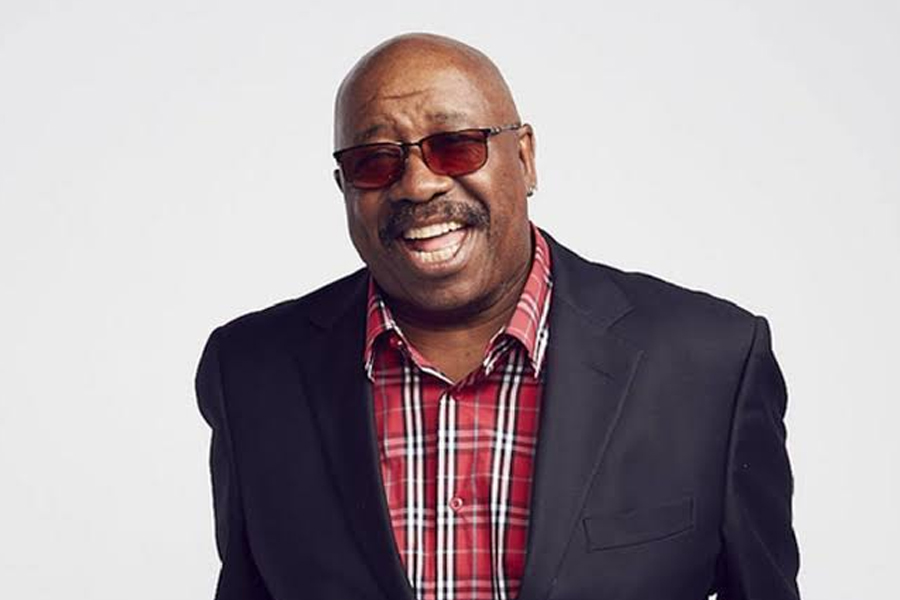
Jay Anthony Brown, professionally known as J. Anthony Brown, was born James Anthony Brown on March 21, 1952, in Columbia, South Carolina. He is an American comedian, actor, television writer, radio personality, and entrepreneur whose career spans several decades. Known for his sharp tongue, quick punchlines, colorful characters, and musical parodies, Brown has built a reputation as a versatile entertainer who can make audiences laugh through almost any medium.
His journey from a small Southern city to national radio and television was not a straight road. Before comedy became his livelihood, Brown trained as a tailor and dreamed of becoming a fashion designer. Financial difficulties eventually pushed him toward an unexpected opportunity in comedy, where a single joke changed the direction of his life.
Over the years, Brown has developed a distinctive performance style characterized by playful insults, exaggerated storytelling, spontaneous humor, and his signature phrase, “Watch out there now.” His career demonstrates how determination, adaptability, and a willingness to seize an unexpected opportunity can transform an ordinary beginning into an extraordinary professional journey.
Basic Information About Jay Anthony Brown
| Category | Details |
|---|---|
| Full name | James Anthony Brown |
| Professional name | J. Anthony Brown or Jay Anthony Brown |
| Date of birth | March 21, 1952 |
| Age in 2026 | 74 years old |
| Birthplace | Columbia, South Carolina, United States |
| Nationality | American |
| Professions | Comedian, actor, writer, radio personality, entrepreneur |
| Education | Denmark Technical College |
| Daughter | Mahoganie Brown |
| Estimated net worth | Approximately $5 million |
| Known for | The Tom Joyner Morning Show, the Steve Harvey Morning Show, and Tyler Perry’s Assisted Living |
| Business ventures | J. Spot Comedy Club, Hotter Than a MoFo products, clothing |
| Signature catchphrase | “Watch out there now” |
Early Life and Family Background
Brown grew up in South Carolina in a family shaped by military life and frequent changes. Because his father served in the military, the household moved several times during his childhood. Such changes can make it difficult for a young person to establish lasting roots, but they can also encourage adaptability, a quality that later became useful in Brown’s entertainment career.
His parents eventually separated after his mother left the marriage. Brown has spoken about complicated family dynamics and the different ways his parents approached raising him. Both parents later died from complications associated with diabetes, a family history that would become personally significant when Brown received his own diagnosis decades later.
His grandmother also played a memorable role in his early life. She was skilled at sewing by hand, and her example helped establish Brown’s interest in clothing and craftsmanship. The ability to create something from basic materials became an early lesson in patience and practical skill.
Brown’s childhood was not defined by comedy alone. His original ambitions centered on fashion, and he imagined building a future as a designer. Looking back at his life, it is striking that the same hands that once made clothing would eventually help build a career through performance, writing, and business ownership.
Education and His First Career as a Tailor
Brown learned tailoring at Denmark Technical College in Denmark, South Carolina, a historically Black college. Although he faced obstacles, his interest in sewing began early. His desire to pursue home economics in high school was thwarted by the belief that sewing machines were unsuitable for boys.
Instead of quitting, he studied. He learned to make suits, shirts, and pants, using tailoring as a career and a way into fashion.
Brown moved to Atlanta, Georgia, in the early 1970s to study design. He ran into financial trouble when his grant money wasn’t enough to start school. The few hundred dollar shortage delayed his dream.
He survived by working wherever he could. Bussing tables in Underground Atlanta and working at tailor shops were his jobs. While building his career, he lived in the YMCA.
Those years tested patience. Brown had skills, a goal, and the will to keep going, but his situation required flexibility. Fashion school failed, but comedy did.
How an Unexpected Joke Launched His Comedy Career
Brown’s entrance into professional comedy happened almost by accident at Mr. V’s Figure Eight nightclub in Atlanta. Short on tuition money, he entered a Gong Show competition, where performers risked being interrupted if the audience or judges were unimpressed.
He delivered a joke, received a laugh, and left the stage before the situation could turn against him. That small moment of success caught the attention of the club’s owner, who offered him a job hosting the Gong Show.
Brown spent approximately five years performing and hosting at the venue. During that period, he refined the fast-paced humor that would later distinguish him from other comedians. He experimented with costumes, skits, song parodies, and outrageous characters, gradually learning how to control a room and keep an audience engaged.
He also worked at Atlanta’s Punchline comedy club before becoming a road comic. Traveling to different venues helped him develop material for audiences with different tastes and expectations.
His story illustrates an important truth about creative careers: sometimes talent appears before a person has a clear plan for using it. Brown did not need to abandon everything he had learned as a tailor. Instead, he applied the same attention to detail and willingness to practice to a new craft.
Television Writing and the Move to Los Angeles
In 1989, Brown moved to Los Angeles to pursue larger opportunities in entertainment. A friend helped him obtain a writing position on The Arsenio Hall Show, a major step that introduced him to the demands of television comedy.
Writing for a talk show required more than telling a good joke. Brown had to respond to current events, celebrity news, and changing headlines while producing material that could work in a fast-moving broadcast environment.
He learned to turn a single news item into multiple punchlines. That ability to recognize humor in everyday events became a valuable part of his professional identity.
Brown later wrote for television sitcoms, including The Parent ‘Hood and Me and the Boys. He also worked as an audience warm-up comedian for programs such as Martin, Sister, Sister, Roc, and Hangin’ with Mr. Cooper.
Audience warm-up work is often overlooked, but it requires considerable energy and timing. The performer must create excitement before the main show begins, keeping people entertained while the production team prepares cameras, lighting, and sets.
Brown’s writing and performance experience allowed him to move comfortably between the stage and the production room. He was not simply a comedian delivering prepared jokes. He understood how humor could be constructed, revised, and adapted to different formats.
Acting Career and Memorable Screen Appearances
Brown expanded his reputation through stand-up specials, television appearances, and film roles. His credits include Def Comedy Jam, It’s Showtime at the Apollo, An Evening at the Improv, and The Oprah Winfrey Show. He also hosted two seasons of BET’s Comic View, giving him another platform to connect with comedy audiences.
His acting work includes appearances in Moesha, Living Single, The Parent ‘Hood, The Parkers, Sparks, and Like Family, in which he played Ed “Pop” Ward. His film credits include Def Jam’s How to Be a Player, Drumline, Mr. 3000, Think Like a Man, and xXx: State of the Union.
These projects reveal the breadth of his abilities. A comedian’s timing can make a supporting character memorable, while an experienced writer understands how a character fits into a larger story. Brown has drawn on both skills throughout his career.
In 2020, he joined Tyler Perry’s BET sitcom Assisted Living as Uncle Vinny. The character’s outspoken personality and sharp appearance reflect aspects of Brown’s own public persona. His continuing work on the series has introduced him to viewers who may know him better from television than from radio or stand-up.
The Tom Joyner Morning Show and National Radio Success
Brown joined the nationally syndicated Tom Joyner Morning Show in 1996, marking a turning point in his career. He entertained listeners nationwide for 20 years till late 2016.
Radio matched his rapid wit and character creation. His shows featured exaggerated impressions, musical parodies, comic commentary, and “murdering the hits,” where known songs were reimagined for comedy.
Brown became part of listeners’ daily routines on the morning show. He might accompany people on their commutes, at work, and in the morning instead of appearing briefly on screen.
Pay conflicts apparently led to his departure from the program. After joining the Steve Harvey Morning Show in 2017, he worked in syndicated radio till April 2022.
Morning radio retirement did not equal entertainment retirement. Brown kept performing, acting, interviewing, and building his enterprises. Radio remains one of his greatest professional achievements.
Jay Anthony Brown’s Daughter and Family Relationships
Brown keeps much of his private life away from public attention. Although his professional career has unfolded in front of millions of people, he has generally shared fewer details about his family.
His daughter, Mahoganie Brown, is the family member most frequently associated with his public career. She has pursued comedy herself, performing at the J. Spot Comedy Club and other venues. Brown has supported her early paid performances and has appeared on shows and stages connected to her work.
Having a parent with decades of experience in comedy can provide valuable insight into the profession. Yet entering entertainment under a famous parent’s name can also create pressure to establish an independent identity. Mahoganie’s participation in comedy places her in a field where timing, originality, and the ability to connect with an audience ultimately determine success.
Brown has also referred to other children, including a son interested in club ownership and another daughter. However, their names and personal circumstances have not been extensively publicized. Respecting that privacy is important, particularly when family members have not chosen the same public careers.
His parents and grandmother also remain important parts of his personal story. The family experiences that shaped his childhood influenced his outlook on work, resilience, and health. Although he has not made every family detail public, the information he has shared offers a glimpse into the people and experiences behind his comedy.
The J. Spot Comedy Club and His Entrepreneurial Spirit
Brown’s ambitions extend beyond performing. He established the J. Spot Comedy Club in Los Angeles, a Black-owned venue that provided a place for comedians to develop their acts and connect with audiences.
Comedy clubs serve as training grounds for entertainers. New performers can test material, discover which jokes work, and learn how to recover when an audience does not respond as expected. By operating a venue, Brown could contribute to the comedy community while creating another business opportunity.
He has also pursued clothing ventures, including the J. Anthony Brown Collection and J. Spot Clothing Store. These interests connect directly to the fashion ambitions he held before becoming a comedian.
His Hotter Than a MoFo brand includes hot sauces in varieties such as peach and pepper, cayenne, habanero, and garlic. Related offerings have included spicy peanuts and MoFo wine. He has also developed entertainment content such as The Drink Tank.
Brown’s approach to business reflects a lesson learned through years of work: a side venture needs more than a recognizable name. It requires attention to products, promotion, customer relationships, and financial responsibilities.
For him, entrepreneurship is another form of performance, but the audience is now the customer. The challenge is to turn public recognition into a sustainable business rather than relying on fame alone.
Jay Anthony Brown Net Worth and Financial Success
Jay Anthony Brown’s net worth is commonly estimated at approximately $5 million, although some estimates place it closer to $3 million. Neither figure should be treated as a verified statement of his current wealth because his private financial records are not publicly available.
His income has come from several professional avenues, including stand-up comedy, radio, acting, television writing, and entrepreneurial ventures.
His nearly 20 years on the Tom Joyner Morning Show represented a substantial period of national exposure. His later work with Steve Harvey extended his radio career, while his film and television appearances provided additional professional opportunities.
Business ownership adds another dimension to his financial picture. Clothing, hot sauces, snacks, wine, and comedy club operations can generate revenue, but businesses also involve operating expenses, inventory costs, marketing, and other financial risks.
It is therefore difficult to calculate his wealth accurately from career credits alone. An entertainer’s earnings are not the same as net worth, which depends on assets, liabilities, taxes, investments, and business performance.
What is clear is that Brown has built a diversified career rather than depending on one television role or radio contract. His ability to move between different forms of entertainment and business has helped him remain professionally active for decades.
Health Challenges and Advocacy
Personal health has been important to Brown. In 1996, he began his longtime career on the Tom Joyner Morning Show and was diagnosed with Type 2 diabetes.
Because both of his parents died from diabetes, the diagnosis was more significant. Brown discusses diabetes publicly and supports diabetes awareness, especially summer camps for children with diabetes, due to his experience.
He publicly discussed his leukemia diagnosis and chemotherapy in 2019. After finishing chemotherapy that year, he reported.
A humorous performer’s story became more serious after these events. Comedy frequently makes unpleasant topics seem doable, but serious health issues cannot be laughed off. Personal adjustment, medical care, and support are needed.
Brown has worked throughout his career despite these health issues. His transparency has also raised awareness of chronic illness and treatment.
Awards, Recognition, and Professional Influence
Brown’s achievements include recognition associated with a Peabody Award and an NAACP Image Award for work connected to rebuilding efforts following the 1992 Los Angeles uprising. These honors reflect a dimension of his professional life beyond entertainment, connecting his work to broader community concerns.
He is also a member of Phi Beta Sigma fraternity and has been associated with its Eta Beta Sigma alumni chapter.
His influence can be seen in the different roles he has occupied: stand-up performer, television writer, sitcom actor, radio personality, business owner, and supporter of other comedians. Few careers follow such a varied path without requiring substantial reinvention.
Brown’s longevity also offers a lesson about the entertainment industry. Public attention often moves quickly from one performer to another, but a career can endure through consistency, professional relationships, and the ability to develop new skills.
His legacy is not limited to a list of credits. It includes the audiences he entertained, the jokes he wrote, the performers he supported, and the businesses he attempted to build.
Recent Activities and Social Media Presence
During the 2020s, Brown has continued appearing in Assisted Living, performing stand-up, participating in interviews, and promoting his Hotter Than a MoFo products.
His live performances have taken him to comedy venues and events in different parts of the United States. He has also participated in podcast conversations about his years in radio, his writing methods, his relationship with the comedy business, and the challenges of remaining relevant over a long career.
Brown maintains a presence on social media platforms, including Instagram under the handle @janthonybrown_, as well as X, TikTok, and Facebook. His posts include comedy clips, commentary, promotional material, and career updates.
Social media provides a direct connection with fans that traditional television and radio cannot always offer. It also gives entertainers a way to promote products without depending entirely on outside advertising or network schedules.
His familiar catchphrase, “Watch out there now,” remains closely associated with his public persona. The phrase captures the playful confidence that has helped define his comedy for generations of listeners and viewers.
Extended Timeline of Jay Anthony Brown’s Life
| Year | Milestone |
|---|---|
| 1952 | Born on March 21 in Columbia, South Carolina |
| Early 1970s | Moves to Atlanta while pursuing fashion and design ambitions |
| Early to mid 1970s | Begins performing and hosting at Mr. V’s Figure Eight nightclub |
| 1989 | Moves to Los Angeles and begins writing for The Arsenio Hall Show |
| Early 1990s | Expands his television writing, stand-up, and acting work |
| 1996 | Joins the Tom Joyner Morning Show and receives a Type 2 diabetes diagnosis |
| 1990s to 2000s | Builds a television and film career and develops entrepreneurial projects |
| Late 2016 | Leaves the Tom Joyner Morning Show |
| Around 2017 | Joins the Steve Harvey Morning Show |
| 2019 | Discusses leukemia treatment and finishing chemotherapy |
| 2020 | Begins playing Uncle Vinny in Assisted Living |
| April 2022 | Retires from the Steve Harvey Morning Show |
| 2020s | Continues acting, touring, creating content, and promoting business ventures |
| 2026 | Reaches age 74 while maintaining a varied entertainment career |
Lesser Known Facts About Jay Anthony Brown
Brown’s life has several surprises for comedy admirers.
Comedy was not his initial professional goal. He wanted to be a fashion designer after learning to tailor. Thus, his clothing lines are more than a celebrity business experiment; they draw from a personal passion.
Second, a Gong Show competition joke launched his career. An opportunity can arise when someone is solving a separate difficulty.
Third, Brown learned how to make numerous gags from one news article from his television writing expertise. This demands attentive observation and a willingness to see everyday events from multiple hilarious viewpoints.
Fourth, stage nervousness persists despite his decades of expertise. He’s talked about performing and canceling gigs due to anxiousness. Such admissions challenge the idea that experienced performers are always comfortable in front of an audience.
Finally, Brown stressed the significance of taking business seriously and setting boundaries with friends and family. His experiences show how an interesting notion differs from a sustainable business.
These details show a creative, disciplined professional. His narrative goes beyond humor. Adapting when plans fail, gaining new abilities, and looking for opportunities are also important.
FAQ About Jay Anthony Brown
Who is Jay Anthony Brown?
Jay Anthony Brown, professionally known as J. Anthony Brown, is an American comedian, actor, television writer, radio personality, and entrepreneur. He is recognized for his work on nationally syndicated morning radio, his television appearances, and his distinctive musical parodies and characters.
How old is Jay Anthony Brown in 2026?
Brown was born on March 21, 1952. He turned 74 on March 21, 2026.
What is Jay Anthony Brown’s net worth?
His net worth is commonly estimated at approximately $5 million, although some estimates suggest around $3 million. These figures are not verified financial disclosures and may differ depending on the estimates used.
Who is Jay Anthony Brown’s daughter?
His publicly known daughter is Mahoganie Brown, who has pursued comedy and performed at the J. Spot Comedy Club and other venues. Brown has publicly supported her early performances.
Does Jay Anthony Brown have other children?
Brown has mentioned other children, including a son and another daughter. However, extensive information about their identities and personal lives is not widely available.
What happened to Jay Anthony Brown’s health?
Brown has discussed being diagnosed with Type 2 diabetes in 1996. In 2019, he also revealed that he had received a leukemia diagnosis and undergone chemotherapy, later reporting that he had completed treatment that year.
What radio shows did Jay Anthony Brown work on?
He was a longtime member of the Tom Joyner Morning Show from 1996 until late 2016. He later joined the Steve Harvey Morning Show and retired from that program in April 2022.
What is Jay Anthony Brown known for on television?
His television credits include The Parent ‘Hood, Moesha, Living Single, and Like Family. He has also appeared in films such as Drumline and Think Like a Man. Since 2020, he has played Uncle Vinny in Tyler Perry’s Assisted Living.
What businesses does Jay Anthony Brown own or operate?
His entrepreneurial ventures have included the J. Spot Comedy Club, clothing businesses, and the Hotter Than a MoFo product line featuring hot sauces and snacks. His broader business activities have also included wine and entertainment content.
Why is Jay Anthony Brown’s story inspiring?
Brown’s journey shows how a person can redirect a career after financial setbacks and unexpected opportunities. His transition from tailoring to comedy, followed by decades of work in radio, television, and business, illustrates the value of persistence, adaptability, and continued creativity.